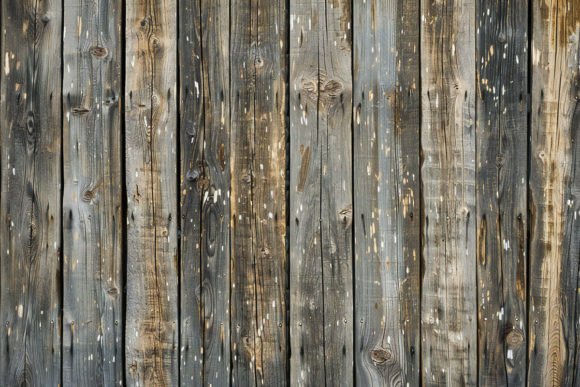
What Makes Wooden Planks Texture a Practical Choice for Design and Visual Projects
Texture is one of those design elements that often goes unnoticed when it works well, but stands out painfully when it does not. Among the many surface treatments available to creators and professionals, Wooden Planks Texture occupies a distinct place. It offers an organic, structured surface that can bring warmth and tactile realism to digital and physical projects. But what exactly does it offer beyond the obvious aesthetic? And how should you evaluate whether it fits your particular workflow, audience, or goal?
This article looks at Wooden Planks Texture from a practical standpoint. We will examine its core characteristics, strengths, real-world usefulness, and the kinds of professionals who benefit most from incorporating it into their work. The aim is to help you decide whether this texture deserves a place in your asset library.
Understanding Wooden Planks Texture: More Than Just a Surface
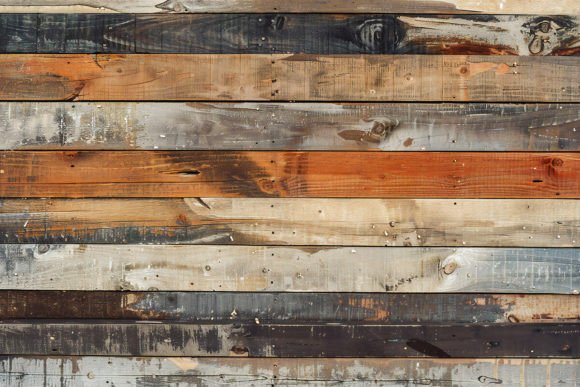
At its simplest, Wooden Planks Texture is a digital or physical representation of individual wood boards arranged side by side. Unlike generic wood grain textures, plank textures emphasize the seams, gaps, and varied grain patterns that come from real milled lumber. The result is a surface that feels less like a flat veneer and more like an actual constructed floor, wall, or panel.
The texture typically captures several distinct visual cues:
- Grain variation – Each plank carries its own grain pattern, which avoids the repetitive look of tiled or seamless textures.
- Edge definition – The gaps or bevels between planks add depth and structural realism.
- Color variation – Natural wood tones shift between planks due to differences in species, aging, or finishing.
- Surface imperfections – Knots, splits, or slight warping contribute to an authentic, lived-in appearance.
These characteristics make Wooden Planks Texture more than a simple background element. It becomes a storytelling tool, capable of conveying age, craftsmanship, warmth, or ruggedness depending on how it is applied.
1. Visual Depth and Dimensionality
One of the first things you notice when working with a well-crafted Wooden Planks Texture is how it creates a sense of physical space. The seams between planks produce subtle shadows that give the surface a three-dimensional feel. This is especially valuable in digital environments where flat textures can make a scene look artificial. For 3D renders, game environments, or architectural visualizations, plank textures add a layer of realism that seamless wood grains often miss.
2. Versatility Across Media
Unlike some textures that are tightly tied to a single use case, Wooden Planks Texture adapts well to multiple formats. It works as a background image for websites, a material map in 3D software, a print overlay for packaging, or even a reference surface for physical woodworking projects. This flexibility saves time for professionals who need assets that can move between different stages of production without losing quality.
3. Psychological Warmth and Approachability
Wood naturally carries connotations of comfort, tradition, and stability. When you use Wooden Planks Texture in a design, you tap into those associations without needing to explain them. For marketers, bloggers, and small business owners, this can be a subtle but effective way to make a brand feel more human and less corporate. A landing page with a plank texture background, for example, often feels more inviting than one with a flat color or generic gradient.
4. Material for Storytelling and Theme Setting
Because plank textures show visible wear, grain, and joints, they are excellent for setting a specific time or mood. A distressed, wide-plank texture can evoke a rustic cabin or industrial loft. A polished, narrow-plank texture might suggest a contemporary café or boutique hotel. Creators working on period pieces, themed websites, or product packaging can use Wooden Planks Texture to communicate context instantly.
Analyzing Quality: What Separates a Useful Texture from a Mediocre One
Not all Wooden Planks Texture assets are equal. As someone evaluating textures for professional use, you need to look beyond the thumbnail. Here are the quality markers I have found most reliable:
- Resolution and detail – A good plank texture holds up when scaled or viewed close. Low-resolution textures blur the grain and make seams look unnatural.
- Seam handling – The best textures tile or repeat without obvious repeating lines. If the gaps between planks create a visible grid, the illusion breaks.
- Color accuracy – Wood tones vary widely. A texture that looks warm and rich on screen may print dull or shift to an unexpected hue. Testing on your target medium is essential.
- Imperfection balance – Too many knots or splits can make a texture look chaotic; too few make it look synthetic. A good texture strikes a balance between authentic wear and usable uniformity.
In my experience, the most reliable Wooden Planks Texture sets come from sources that provide multiple angles, lighting conditions, or color variants. This allows you to choose what fits your project rather than forcing a single look into every context.
Who Benefits Most from Wooden Planks Texture?
While almost any visual creator can find a use for this texture, certain professionals get disproportionate value from it:
3D Artists and Game Developers
For those building virtual environments, Wooden Planks Texture is a staple material. It works for floors, walls, ceilings, furniture, and props. The key advantage here is the ability to use the same texture across multiple assets while maintaining visual consistency. Artists should look for textures that include normal maps or displacement maps to maximize realism.
Web and UI Designers
Plank textures are increasingly used in website headers, hero sections, and background tiles. They add character without overwhelming content. However, usability is critical: a texture that is too busy or high-contrast can make text hard to read. Designers often need desaturated or soft-focus variants of Wooden Planks Texture to keep foreground elements legible.
Marketers and Small Business Owners
Brands that want to project authenticity, craftsmanship, or natural themes benefit from this texture. A local restaurant, a handmade furniture shop, or a bed-and-breakfast website can all use Wooden Planks Texture to reinforce their identity. The texture should be used sparingly in such contexts, as overuse can feel dated or heavy.
Print Designers and Packaging Specialists
Physical products like gift boxes, menus, or signage often use plank textures to simulate real wood without the cost or weight. The texture needs to be high resolution and color-managed for print. Experts recommend proofing the texture on the actual substrate, since wood tones shift considerably between paper types.
Practical Recommendations for Getting the Most Out of the Texture
Based on real-world use across multiple projects, here are concrete guidelines for working with Wooden Planks Texture:
- Test at actual scale. A texture that looks great at 100% may feel overwhelming when stretched across a large wall or too small when used on a mobile screen. Always preview at the intended display size.
- Pair with complementary textures. Wood planks work well with metal, stone, or fabric. Using them alone can create a homogeneous look that lacks contrast. Introduce a secondary texture to break up large surfaces.
- Adjust lighting and color casts. In 3D or photo compositing, the lighting in your scene affects how the wood grain interacts with your subject. A warm light source can make a cool-toned plank texture look unnatural.
- Use subtle variations. If you are tiling a plank texture across a large area, consider flipping or rotating copies to avoid obvious repetition. Even a well-seamed texture can look repetitive if repeated identically.
- Respect your medium. A texture that works perfectly on a 4K monitor may degrade significantly when compressed for web or printed on uncoated paper. Export at appropriate resolutions and test on final output.
Limitations and Considerations to Keep in Mind
Wooden Planks Texture is not a universal solution. There are situations where it may underperform or create problems:
- Overuse in branding. Many businesses have adopted wood textures in recent years, so the look can feel generic if not executed thoughtfully. Differentiate your use with unique color tones, plank widths, or finishing effects.
- Accessibility concerns. Busy textures can cause issues for users with visual processing sensitivities or reading difficulties. Always provide sufficient contrast for text and avoid using plank textures as primary backgrounds for content-heavy pages.
- Performance in digital products. High-resolution texture maps can slow down website load times or app performance. Optimize your Wooden Planks Texture files with compression and appropriate sizing before deployment.
- Cultural associations. In some contexts, certain wood tones may carry unintended connotations. A dark, heavy plank texture might feel oppressive in a wellness brand, for example, while a light pine texture might feel too casual for a luxury product.
Final Observations on Long-Term Value
Wooden Planks Texture has remained a reliable option in the design and creative industries for good reason. It offers a balance of visual interest, realism, and emotional resonance that few other surfaces can match. But its effectiveness depends entirely on how it is chosen and applied. A generic, low-resolution texture will hurt a project more than help it, while a carefully selected, high-quality texture can elevate a design from ordinary to memorable.
For professionals building a library of assets, it is worth investing in a few excellent plank textures rather than collecting dozens of mediocre ones. Look for sets that offer multiple color variations, high resolution, and reliable tiling. Test them in the environments where you actually work, whether that is a 3D render engine, a web design tool, or a print layout. And always consider how the texture serves your audience first, not just your aesthetic preference.
When used with intention, Wooden Planks Texture becomes more than a surface. It becomes a foundation for credibility, warmth, and presence in the work you create.