The Enduring Appeal of a Rustic Wooden Background
Walk into any modern café, scroll through a designer's portfolio, or glance at a lifestyle blogger's latest post, and you are likely to encounter one consistent visual element: a rustic wooden background. It has become the de facto canvas for everything from product photography to social media graphics, and for good reason. But beyond its current popularity lies a deeper, more practical utility that transcends trends. A rustic wooden background is not merely a surface; it is a storytelling tool, a texture that communicates warmth, authenticity, and durability. Whether you are a small business owner staging your first product shoot, a content creator building a brand identity, or a homeowner planning a renovation, understanding what this backdrop offers can save you time, money, and creative frustration.
This article explores the rustic wooden background from the ground up—not as a marketing gimmick, but as a functional asset. We will look at its defining characteristics, where it excels, where it falls short, and how you can judge whether it is the right choice for your specific project. By the end, you should have a clear, experience-based framework for making smarter creative decisions.
What Defines a Rustic Wooden Background?
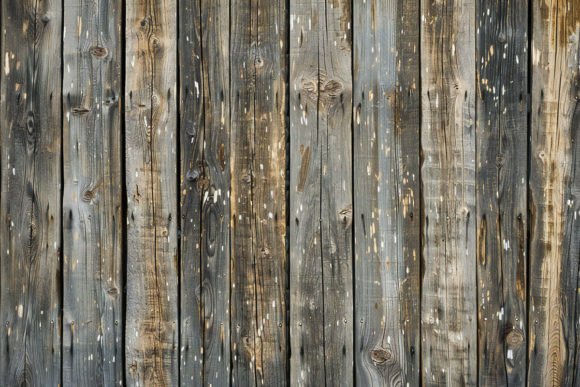
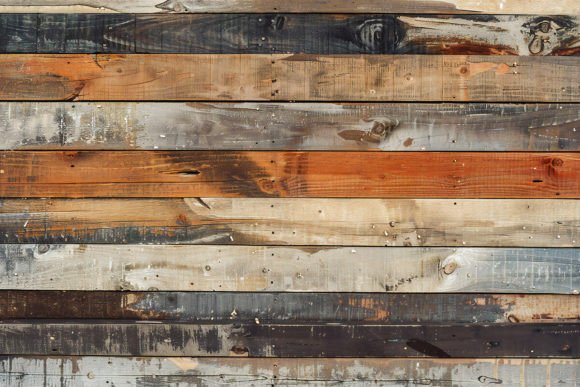
When we talk about a rustic wooden background, we are describing a surface that emphasizes natural imperfections rather than hiding them. Unlike polished, high-gloss finishes that aim for uniformity, rustic wood celebrates knots, grain variations, cracks, saw marks, and color inconsistencies. These are not flaws; they are features that give each piece a unique character. The wood is typically reclaimed, distressed, or unfinished—or at least treated in a way that preserves the look of age and wear.
Common species used include pine, oak, cedar, and fir, though reclaimed barn wood from aged structures is especially prized for its patina and history. The texture can range from smooth with visible grain to heavily textured with grooves and splits. Color palettes lean toward warm browns, amber tones, weathered grays, and muted earth shades. A true rustic wooden background does not look like it came straight from a lumber mill; it looks like it has lived a life.
Key Characteristics to Recognize
- Natural grain patterns that are prominent and varied, often with swirls and irregular lines.
- Distressed surfaces including small cracks, dents, nail holes, or saw marks that add texture.
- Matte or low-sheen finish that reduces glare and feels organic to the touch.
- Earthy color variations from light honey to deep brown, sometimes with gray or red undertones.
- Inconsistent plank widths or gaps that mimic hand-hewn or reclaimed construction.
These traits are not accidental. They are deliberately preserved or created to evoke a sense of history, craftsmanship, and connection to nature. That emotional quality is precisely what makes the rustic wooden background so effective in visual storytelling.
Why It Works: The Practical Value Beneath the Surface
The popularity of the rustic wooden background is often attributed to aesthetics, but its real value is functional. For photographers and videographers, it provides a neutral yet textured base that does not compete with the subject but elevates it. Food, cosmetics, electronics, books, and handmade goods all tend to pop against the warm, organic backdrop. The wood adds depth without introducing distracting patterns that clash with the main focus.
For business owners, the rustic wooden background offers a quick way to signal brand values. A company that uses rustic wood in its product images is often perceived as authentic, handcrafted, environmentally conscious, or rooted in tradition. This perceptual shortcut is powerful in e-commerce, where consumers make split-second decisions based on visual cues. You do not need to write a long mission statement about sustainability if your product photos already communicate a love for natural materials.
Content creators and social media managers also rely heavily on this backdrop because of its versatility. A single rustic wooden background can work for a flat lay of breakfast items, a stack of vintage books, a skincare routine, or a promotional shot for a digital course. It provides a consistent visual identity across different types of content, which builds brand recognition over time.
Who Benefits Most?
- Small business owners selling handmade or artisanal products—rustic wood reinforces the handmade ethos.
- Photographers specializing in lifestyle, food, or product photography—it offers a reliable, repeatable setting.
- Interior designers looking for accent walls or furniture surfaces that add character without overwhelming a space.
- Event planners creating rustic-themed weddings, markets, or corporate gatherings where authenticity matters.
- Digital creators building YouTube channels, blogs, or Instagram feeds that need a cohesive visual anchor.
Strengths That Make It a Reliable Choice
One of the strongest arguments for using a rustic wooden background is its forgiving nature. Unlike a crisp white seamless paper that shows every speck of dust, rustic wood hides minor imperfections. A small scratch, a bit of lint, or an uneven edge often blends right into the existing texture. This is a practical advantage for anyone who does not have a perfectly controlled studio environment.
Another strength is its timelessness. Trends in photography and design shift quickly—neon colors, marble, geometric patterns come and go. But wood, especially aged wood, has been a staple of visual communication for centuries. A rustic wooden background rarely looks dated because it references a style that predates modern design fads. Investing in a good quality backdrop now will serve you for years without needing an update.
Durability is a third major advantage. Real wood, when properly maintained, can withstand repeated use, travel, and handling. Unlike printed backdrops that tear or vinyl surfaces that warp, a solid rustic wooden background can be sanded, cleaned, and even lightly repaired if damaged. For professionals who shoot frequently, this longevity translates into lower replacement costs over time.
Practical Limitations You Should Know
No tool is perfect, and the rustic wooden background has its own set of limitations that are important to acknowledge. First, weight and portability are real concerns. A solid wood panel large enough for full-body product shots or tabletop scenes can be heavy and awkward to move. If you shoot on location frequently, a solid wood backdrop may not be practical unless you have an assistant or a dedicated vehicle. Lighter alternatives like wood-printed vinyl or flexible wood veneer can mimic the look but lack the authentic texture and depth.
Lighting also behaves differently on rustic wood compared to smooth surfaces. The uneven texture creates shadows and highlights that change with the angle of your light source. This can be a creative asset, but it also means you cannot achieve the same clinical, shadowless look you might get with a white or neutral gray background. If your product requires perfectly even illumination—such as technical equipment or sterile medical supplies—a rustic wooden background might introduce unwanted visual noise.
Color consistency is another factor. Because rustic wood is natural and often reclaimed, no two pieces are identical. If you are shooting a catalog that requires strict uniformity across hundreds of images, you may need to purchase several panels from the same batch and rotate them carefully. Even then, variations in grain and tone will be visible. This is not a flaw, but it is a constraint that planners should account for.
When to Think Twice
Consider whether a rustic wooden background is right for you if:
- Your brand identity is sleek, minimalist, or high-tech rather than natural or heritage-oriented.
- You need to shoot very small items with high magnification, where wood grain can overwhelm the subject.
- Your workflow demands fast setup and breakdown in multiple locations.
- Your clients or audience expect a clean, clinical aesthetic (e.g., medical, scientific, or financial services).
Real-World Scenarios: How People Actually Use It
Let me share a few examples from actual use cases to illustrate how the rustic wooden background performs in practice.
Scenario one: A soap maker launching an online store. Sarah makes small-batch goat milk soaps wrapped in kraft paper and twine. She tried shooting on white marble, but the soaps looked cold and disconnected from their natural ingredients. Switching to a reclaimed pine backdrop brought out the warmth of the soap colors and reinforced her "back to basics" brand message. Her conversion rate improved noticeably within weeks.
Scenario two: A tech reviewer filming YouTube videos. Mark reviews laptops and peripherals. He initially used a black fabric background, but viewers commented that the videos felt flat. Adding a weathered oak panel behind the products introduced texture that made the metal and plastic surfaces stand out. The wood did not distract because he kept the camera angle slightly elevated, allowing the grain to remain in soft focus.
Scenario three: A wedding photographer building a client gallery. Elena offers engagement shoots with a rustic theme. She carries a lightweight cedar panel to outdoor locations and places it on the ground or against a tree. The rustic wooden background serves as a portable surface for ring shots, invitation flat lays, and detail photos. It ties the entire gallery together, even when the actual venue changes.
How to Evaluate Suitability for Your Own Project
Choosing the right rustic wooden background involves more than just liking how it looks. Start by defining the primary use case. Will this be a permanent studio setup, a portable prop, or a backdrop for occasional social media posts? Permanent installations can use heavier, more authentic materials, while portable needs may favor lightweight composites or veneers.
Next, consider the scale and proportion of your subjects. A wide plank with heavy grain works well for large items like furniture or full-body shots, but can overwhelm small objects like jewelry or watches. For small subjects, choose a board with tighter, subtler grain patterns or use a shallow depth of field to keep the wood soft in the background.
Lighting is another critical variable. Test your backdrop under the specific lights you plan to use. Tungsten, LED, and natural daylight all render wood tones differently. A board that looks warm and inviting under midday sun may appear muddy under cool LED panels. Always shoot test images before committing to a final purchase.
Finally, think about the lifespan of your content. If you are building a brand that will evolve over years, a rustic wooden background offers flexibility. It can be painted, stained, or distressed further if your style shifts. It can also be used as a prop in lifestyle shots, not just a background. This adaptability makes it a smarter investment than a rigid, one-purpose backdrop.
Final Thoughts on Making It Work
The rustic wooden background is not a magic solution for every visual problem, but it is one of the most reliable tools in the creative toolkit when used with intention. Its strength lies in its ability to add warmth, texture, and narrative without shouting for attention. Whether you are photographing handmade ceramics, filming a cooking tutorial, or designing a website header, a well-chosen wood surface can ground your work in something tangible and real.
Pay attention to the details: the direction of the grain, the color undertones, the thickness of the planks, and how the surface responds to your lighting. These small considerations separate a professional result from a merely passable one. And if you choose wisely, your rustic wooden background will not just support your content—it will quietly elevate it, frame after frame.