Dark and Noise Paper Pack: A Practical Review of Textured Design Assets
In digital design, texture often separates flat work from work that feels intentional and grounded. A subtle paper grain or a carefully placed noise overlay can shift a composition from sterile to something with weight, atmosphere, and tactile presence. The Dark and Noise Paper Pack is a collection built around precisely this principle. It offers a set of pre-rendered paper textures and noise patterns designed for dark backgrounds, muted tones, and moody aesthetics. But beyond its surface appeal, how does it hold up under regular use? This article takes a close, practical look at what this pack delivers, where it excels, and who will gain the most from adding it to their toolkit.
What Dark and Noise Paper Pack Actually Offers
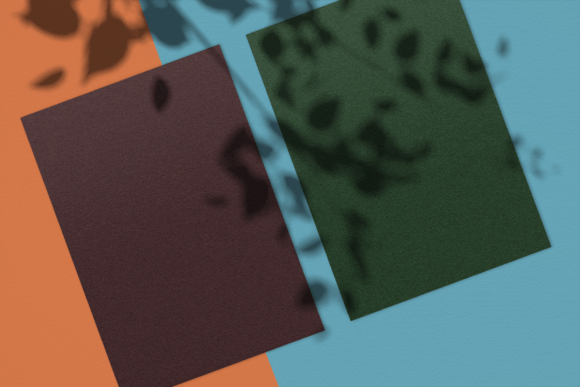
At its core, the Dark and Noise Paper Pack is a curated set of texture files intended for use in graphic design, digital art, video overlays, and content creation. It focuses on darker base tones. Instead of offering the usual bright, off-white paper textures that dominate most collections, this pack leans into charcoal greys, deep blacks, and shadowed browns. Each texture carries a visible grain or noise layer, giving it the feel of printed matter, aged stock, or photographic film.
The pack typically includes a mix of full-resolution textures, often in JPEG or PNG format, designed to tile or layer seamlessly. Some versions of the pack also include overlay presets for software like Photoshop, After Effects, or Premiere Pro. The noise component is not added as a uniform digital filter. Instead, it is organic, varying across each texture in density and pattern. This variation is important. It means the textures do not look repetitive or artificially generated when applied across multiple elements in a single project.
What makes the Dark and Noise Paper Pack worth discussing is its specific focus. Most texture packs try to cover every possible use case. This one does not. It is built for projects where the background needs to recede, add depth, or feel physically present without competing for attention. That distinction matters when you are working on album art, editorial layouts, video title sequences, or dark-mode website backgrounds.
Strengths in Real-World Use
Professionals who regularly layer textures know that file quality varies widely. Some packs offer textures that are too small to use at print resolution. Others introduce artifacts or banding in darker areas. The Dark and Noise Paper Pack generally avoids these problems. The resolution is adequate for both screen-based work and moderate print applications. The grain is fine enough that it reads as texture, not as a messy overlay. Banding, a common issue in dark gradients and dark textures, is minimal. This makes the pack usable in professional contexts where technical quality is a baseline requirement.
Another practical strength is consistency. Within a single pack, the textures share a visual language. They feel like they belong to the same paper family, even if the grain varies slightly from file to file. This consistency saves time. When you build a layout using three different textures from the pack, the result feels cohesive rather than mismatched. For client work, where brand aesthetics demand control and coherence, this reliability matters.
The noise elements within the textures also serve a functional purpose beyond appearance. In video and motion graphics, layering a noise texture over flat gradients or solid dark areas can reduce visible compression artifacts and banding. The Dark and Noise Paper Pack provides this utility out of the box. For editors working in After Effects or Premiere, having pre-built, high-quality noise textures that are designed specifically for dark compositions eliminates the need to generate noise from scratch or purchase a separate overlay pack.
Practical Examples of Use
Consider a designer building a set of social media posts for a music artist. The artist works in ambient electronic music with a dark, atmospheric visual identity. Using the Dark and Noise Paper Pack, the designer can place text over a deep charcoal texture, apply a subtle grain overlay, and add a vignette. The result reads as polished and grounded, not flat. The texture does not distract from the typography, but it gives the image a physical quality that a pure black background cannot.
In another scenario, a video editor needs to create title cards for a short film that uses low-light cinematography. A pure black background with white text feels too clean for the film's tone. By layering a texture from the pack underneath the text, the title card picks up a subtle organic grain that matches the film's hand-held, naturalistic look. The viewer does not consciously register the texture, but the overall composition feels more intentional.
A third example involves print work. A small publisher is producing a zine on dark themes. The interiors use black or dark grey paper. Adding a texture from the Dark and Noise Paper Pack to the digital layout gives the designer a preview of how the printed pages will feel. It also allows them to adjust contrast and legibility before the file goes to press. While the texture itself is digital, its visual behavior closely mirrors the tactile quality of real dark paper stock.
Who Benefits Most from This Pack
The Dark and Noise Paper Pack is not a general-purpose texture library. It serves a specific audience. The professionals who will extract the most value from it include:
- Graphic designers who work frequently on dark-themed branding, packaging, or editorial projects. The pack saves them the time of sourcing or generating dark textures individually.
- Motion designers and video editors who need overlay assets for title sequences, lower thirds, or background elements in moody or cinematic projects.
- Digital artists and illustrators who build compositions on dark canvases and want to introduce paper grain without hunting for textures online.
- Bloggers and content creators who produce media with a dark aesthetic and want their images, video thumbnails, or story backgrounds to feel more tactile.
- Publishers and educators creating digital or print materials in low-light or muted color palettes who need consistent, high-quality backgrounds.
For these users, the pack directly addresses a recurring need. It removes friction. Instead of spending time generating noise in software or searching free stock sites for usable dark textures, they have a reliable set ready for immediate use.
Limitations to Consider
No creative asset is without constraints, and the Dark and Noise Paper Pack has a few worth noting. First, its specialized focus means it is not suitable for every kind of project. If you work primarily with bright, airy, or pastel-heavy aesthetics, most of these textures will be too dark for your needs. You may only find one or two usable files from the collection, which reduces its overall value for your workflow.
Second, the organic grain, while appealing, can behave unpredictably when scaled significantly beyond the original resolution. If you need to blow up a texture to cover a large billboard or a high-resolution print, you may notice the grain becoming soft or pixelated. The pack works best for screen-based work and standard print sizes. For very large format applications, you may need to source custom textures or generate noise at a higher native resolution.
Third, the pack does not offer extensive color variation. The textures stay within a narrow tonal range. If you need dark paper with a warm brown undertone, a cool blue-black cast, or any specific color direction, you may need to tint the textures yourself in software. This is a minor limitation, but it is worth factoring in if your project demands precise color matching from the asset itself.
Finally, as with any downloadable asset pack, quality control depends on the specific version and vendor. Not all iterations of the Dark and Noise Paper Pack are created equally. Some may include lower resolution files or fewer variations. Before purchasing or downloading, it is wise to check file specifications and user feedback for the particular release you are considering.
Practical Recommendations for Getting the Most Out of It
To maximize the utility of the Dark and Noise Paper Pack, treat it as a layer, not a final background. In most design software, you can apply these textures as overlay layers with blend modes like Multiply, Overlay, or Soft Light. This approach preserves your underlying colors and composition while adding the texture's grain and depth. It also allows you to adjust the opacity to suit different sections of the same project.
For video work, consider using the textures as matte overlays. Import them into your editing software, place them above your footage, and experiment with blend modes and opacity. The noise element can help unify clips that were shot under different lighting conditions by adding a consistent grain layer across the entire sequence.
If you work in print, test a sample texture at your intended output size before committing to the pack for a production run. Check for banding, grain softness, and overall readability when text is placed over the texture. A quick proof will reveal whether the texture holds up under your specific print conditions.
Long-Term Value and Versatility
Texture packs are often used once and forgotten. The Dark and Noise Paper Pack has better long-term potential because its aesthetic does not follow a short-lived trend. Dark, textured backgrounds have been a mainstay in design for decades. They appear in music packaging, cinema posters, literary journals, and high-end branding. As long as designers continue to work with dark palettes, these textures will remain useful.
The pack also works well as a base layer for further experimentation. Designers can tint, blur, or composite textures together to create entirely new looks. The files serve as raw material, not finished assets. This flexibility extends their lifespan. Instead of being locked into a single look, you can adapt the same texture across multiple projects by adjusting color, contrast, or blend settings.
For freelancers and small business owners who manage their own visual content, having a reliable texture pack on hand reduces production time. When a client needs a quick mockup or a social media graphic with a moody backdrop, the Dark and Noise Paper Pack provides a professional starting point without requiring a stock photo search or a custom texture shoot.
Ultimately, the value of this pack comes down to fit. If your work regularly includes dark compositions, cinematic visuals, or printed materials on dark paper, the pack earns its place in your library. If your aesthetic runs toward bright minimalism or vibrant photography, it may see less use. Understanding that distinction is the key to deciding whether the Dark and Noise Paper Pack is a smart addition to your workflow or a specialized tool best left for occasional projects.