The Vibrant World of Colorful Keychains: Beyond Simple Accessories
The Psychology of Color in Everyday Items
Colors do more than please the eye; they shape our perception, mood, and even behavior on a subconscious level. Colorful keychains serve as miniature canvases for this psychological interplay, turning a mundane utility into a deliberate cognitive tool. Bright hues like cerulean, coral, and chartreuse can evoke feelings of energy or calm, depending on their saturation and context. For instance, a keychain in a bold orange or lime green is not just visually alerting—it can mentally prepare you for an active day, while softer pastel shades might foster a sense of relaxation when you reach for your keys after work.
How Colorful Keychains Trigger Memory and Association
Human memory is remarkably associative, and colorful keychains exploit this by creating instant visual shortcuts. A red keychain can become mentally linked to "urgent" or "important," such as a master key or an office closet key, while a blue one might connect to "daily commute" or "locker key." This color-key connection reduces cognitive load, especially in high-stress environments like hospitals or busy households. Over time, the brain automatically recalls the association without conscious thought, making colorful keychains a silent productivity booster. For example, a parent might assign each child a different colored keychain for their backpack locker, enabling quick identification without reading labels.
Organizational Power of Color-Coded Keychains
In professional and personal settings, colorful keychains transform chaotic key rings into structured systems. Property managers, maintenance crews, and fleet operators often manage dozens of keys; a simple color-coding scheme—red for restricted areas, yellow for vehicles, green for storage—can drastically cut down access time. At home, one can assign a purple keychain to spare keys, a teal one to the mailbox, and an orange one to the garage. This method proves especially valuable for elderly individuals or those with memory difficulties, as it leverages natural visual recognition over abstract symbols.
Streamlining Daily Routines with Colorful Keychains
Beyond simple identification, colorful keychains can anchor entire routines. A vibrant pink keychain might be attached to a gym locker key, serving as a motivational prompt to work out. A metallic gold keychain could signify a special event key, like a safety deposit box, reminding the user of its significance daily. For travelers, using distinct colorful keychains for luggage locks, hotel room cards, and rental car keys prevents fumbling at security checkpoints. The tactile and visual cues from these accessories reduce friction in daily transitions, making small tasks feel more deliberate and organized.
Colorful Keychains as Personal Expression and Branding
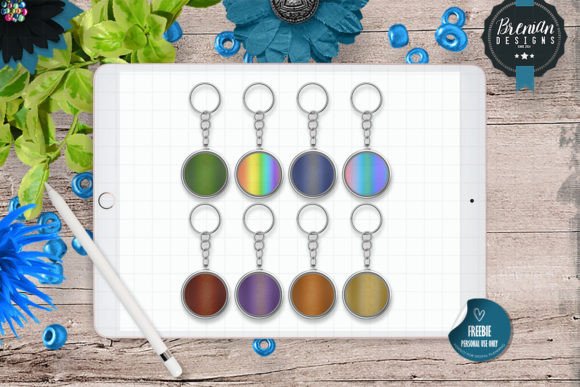
Personal style extends to every carried object, and colorful keychains offer an affordable medium for self-expression. From minimalist metallic charms to oversized acrylic shapes, the variety allows users to communicate hobbies, values, or aesthetics without words. A gradient rainbow keychain might signal pride, while a neon geometric design could reflect a modern, energetic personality. Hobbyists frequently collect colorful keychains from different places, turning a functional item into a tangible memory map. This personalization layer adds sentimental value, making a simple accessory a conversation starter.
Customizing Keychains for Individuality
The customization market for colorful keychains has exploded with techniques like UV printing, laser engraving, and resin casting. Consumers can choose colors that match their phone case, car interior, or seasonal mood. Some creators even offer DIY kits where users dye, stamp, or assemble their own keychain components. This craft aspect appeals to makers who value uniqueness over mass production. For example, a hobbyist might combine a turquoise silicone base with a purple metal charm, creating a piece that no one else owns. Such personalization elevates the keychain from a give-away item to a cherished personal artifact.
Corporate Giveaways and Promotional Strategies
Businesses have recognized the reach of colorful keychains as low-cost, high-impact promotional items. Unlike t-shirts or pens, keychains are carried daily and seen by many people, providing repeated brand exposure. A tech startup might distribute neon-green keychains shaped like their logo, while a real estate agents could hand out warm-tone keychains at open houses. The key to effective promotion lies in color psychology: a financial firm may choose navy blue for trust, while a toy company uses rainbow patterns for playfulness. When the keychain is genuinely useful and aesthetically pleasing, it stays in use longer, reinforcing brand recall without feeling pushy.
Material and Craftsmanship in Vibrant Keychains
The durability and visual appeal of colorful keychains depend heavily on material selection. Silicone keychains are flexible, waterproof, and resist fading—ideal for outdoor enthusiasts or medical professionals who frequently sanitize items. Acrylic versions offer high-gloss color saturation and can be layered for 3D effects, but they may scratch more easily. Metal keychains, especially with anodized or powder-coated finishes, provide a premium feel and long-lasting color, though they are heavier. Understanding these trade-offs helps consumers choose colorful keychains that align with their lifestyle, whether that means lightweight portability or rugged resilience.
Durability and Material Choices for Long-Lasting Color
Fading, chipping, or discoloration can ruin the aesthetic of colorful keychains over time. UV-stabilized plastics and UV-resistant coatings are essential for outdoor use, as prolonged sunlight degrades many dyes. For high-traffic environments like janitorial or security roles, polycarbonate or nylon keychains offer impact resistance without sacrificing vividness. Meanwhile, eco-conscious consumers are turning to recycled PET or plant-based bioplastics for keychains that retain bright colors while reducing waste. When purchasing, checking for colorfastness and material certifications ensures that the keychain remains vibrant through daily wear.
Creative DIY and Upcycling with Colorful Keychains
The craft and maker communities have embraced colorful keychains as accessible projects. Polystyrene beads that fuse when heated, paracord weaves, and clay charms all allow for intricate color combinations. Upcycling also plays a role: old button sets or broken jewelry can be repurposed into unique keychains, giving new life to forgotten items. This hands-on approach not only reduces waste but also produces deeply personal objects. For instance, a music teacher might create keychains from discarded instrument parts, painting them in bright tones to hand out to students. The process itself becomes a form of relaxation and creative problem-solving.
Educational Uses and Interactive Learning
Educators have found colorful keychains effective in classroom management and early childhood learning. Teachers can assign color-coded keychains for different activity stations, help children learn color names through matching games, or use them as positive reinforcement tokens. The tactile nature of keychains makes them easier for small hands to grasp than coins or cards. Speech therapists sometimes use keychains with contrasting colors to encourage communication about preferences and categories. Additionally, in vocational training for adults with disabilities, assembling colorful keychains provides fine motor skill practice and a sense of accomplishment, with the finished product serving as a functional reward.
Environmental Impact and Sustainable Options
As with all consumer goods, the production and disposal of colorful keychains carries environmental implications. Many mass-produced keychains use petroleum-based plastics and non-biodegradable paints that contribute to microplastic pollution. However, the market is shifting toward sustainability: keychains made from bamboo, cork, or recycled ocean plastics are emerging, often dyed with natural pigments. Brands that prioritize low-waste packaging and local manufacturing also reduce the carbon footprint. Consumers can extend the life of their colorful keychains by repairing broken clips or metal rings instead of discarding them. When disposal is unavoidable, separating metal parts for recycling and choosing biodegradable materials helps mitigate harm.
Choosing Eco-Friendly Colorful Keychains
Identifying genuinely sustainable colorful keychains requires careful labels. Look for certifications like Fair Trade, FSC (for wood), or BPA-free and phthalate-free for plastics. Handmade keychains from artisan communities often employ traditional techniques with natural dyes, offering vibrant colors without synthetic runoff. For corporate purchasers, bulk orders of eco-friendly keychains can reflect company values while appealing to environmentally conscious clients. The durability of these materials also translates to longer use, meaning fewer items end up in landfills. By prioritizing quality and origins, buyers ensure that their colorful keychains remain beautiful without costing the planet.
Long-Term Maintenance for Sustained Color
To keep colorful keychains looking their best, simple care routines matter. Avoid soaking keychains in harsh chemicals, as they can strip finishes. Store them away from prolonged direct sunlight when not in use. For painted or printed surfaces, a gentle wipe with a damp cloth can remove dirt without abrasion. Metal keychains benefit from occasional polishing to maintain shine and prevent oxidation around color accents. By treating these items as durable accessories rather than disposables, users extend their vibrancy and emotional value. This mindful approach transforms a pocket utility into a long-lasting, joyful object.