The Enduring Appeal of Grunge Texture in Contemporary Design
From Underground Roots to Mainstream Recognition
The visual language of grunge texture emerged from a cultural shift that prized authenticity over polish. In the early 1990s, designers and artists began deliberately introducing distressed surfaces, weathered edges, and imperfect finishes into their work as a reaction against the sterile precision of digital graphics. What started in zines, album covers, and independent posters has since evolved into a lasting aesthetic vocabulary that continues to inform branding, web design, packaging, and interior spaces. The grunge texture is no longer simply a nostalgic reference; it is a deliberate tool for conveying depth, history, and tactile presence in an increasingly screen-dominated world.
Understanding why this rough-hewn look endures requires looking beyond surface-level trends. The worn patina of a scratched metal surface, the frayed edges of torn paper, and the mottled grain of aged wood all carry associations of use, time, and human interaction. These distressed elements communicate that something has existed beyond the moment of its creation. In a design landscape where millions of polished, algorithm-generated images compete for attention, the grunge aesthetic offers a point of difference rooted in tangible reality.
Defining the Visual Language of Distressed Surfaces
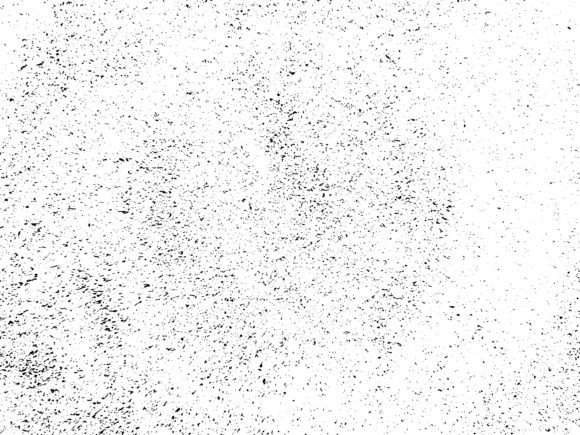
A grunge texture is not simply a noisy or chaotic pattern. It is a carefully constructed layering of imperfect surface qualities that mimic natural wear, environmental exposure, or manual production. Common characteristics include dust speckling, ink bleeding, scratched coating, water stains, cracked finishes, and uneven fading. These elements work together to create a tactile visual experience that invites closer inspection.
Designers often combine multiple weathered textures to build complexity. A rust overlay might sit beneath a gritty grain, with scratched lines cutting through both layers. The result is a surface that feels lived-in, as though it carries a history. This approach contrasts sharply with the flat, clean, vector-based graphics that dominated early web design. The grunge texture reintroduces the unpredictability of physical media into digital work, creating a bridge between the screen and the hand.
Color palettes for distressed designs typically lean toward earthy, muted, or faded tones. Desaturated greens, rust oranges, charcoal grays, and warm browns complement the worn feel of the textures. High-contrast black-and-white gritty overlays are also common, particularly in typography-heavy compositions where the texture adds weight and atmosphere without competing with the message.
Psychological Resonance of Imperfect Aesthetics
The human brain responds to textured surfaces in ways that go beyond visual preference. Weathered materials trigger associations with authenticity, durability, and craftsmanship. When a viewer encounters a grunge texture in a design, they often perceive the subject as more honest, more grounded, and less manufactured. This psychological response is why distressed backgrounds are frequently used in industries that want to emphasize heritage, artisanal quality, or countercultural values.
There is also a comfort factor. Perfectly smooth, sterile interfaces can feel cold or impersonal. Introducing a rough texture, even subtly, adds warmth and organic presence. In user interface design, subtle grain or light paper texture can reduce visual fatigue and make digital spaces feel more inhabitable. This is especially relevant for long-form reading environments, creative portfolios, and lifestyle brands that wish to project approachability.
Moreover, the grunge aesthetic taps into the concept of wabi-sabi, the Japanese philosophy of finding beauty in imperfection and transience. Frayed edges, uneven ink coverage, and weathered corners all embody this principle. By embracing the incomplete or the worn, designers communicate that beauty does not require perfection. This resonates strongly with audiences who are tired of overly curated, unrealistic visual standards in media and marketing.
Technical Approaches to Creating Authentic Grunge Textures
Producing convincing grunge textures requires more than applying a filter or downloading a preset. Authenticity comes from understanding how materials behave under real-world conditions. Many experienced designers start by capturing physical source material. Scanned paper, photographed concrete, rubbed charcoal on rough board, and ink smudges on newsprint provide organic variations that are difficult to replicate algorithmically.
Once captured, these source images are layered and blended using non-destructive techniques. Overlay, multiply, and soft light blending modes allow the texture to interact with underlying content without obliterating it. Masking is used to reveal texture selectively, so that a distressed edge appears naturally faded rather than abruptly cut off. The goal is to make the weathered surface feel integral to the design, not pasted on top of it.
For digital-first workflows, procedural texture generators offer powerful alternatives. These tools simulate grain patterns, wear gradients, and randomized surface damage using mathematical models. When tuned carefully, they can produce gritty overlays that are endlessly variable and resolution-independent. However, even procedural textures benefit from manual intervention. Adding subtle color shifts, varying opacity, and combining multiple noise layers prevents the result from looking sterile or repetitive.
File format and resolution matter significantly. A grunge texture meant for print should be at least 300 DPI with sufficient detail to avoid pixelation. For web use, textures should be optimized to balance visual quality with load performance. Using compressed JPEG or WebP formats with careful noise reduction can preserve the rough texture appearance while keeping file sizes manageable. SVG filters, though less common, offer another route for lightweight, scalable textured effects in web interfaces.
Industry Applications Across Creative Fields
The versatility of grunge texture makes it useful across a wide range of industries, each applying it to meet specific communication goals.
- Branding and identity design frequently employs distressed logos and weathered typography to signal heritage, rebellion, or handmade quality. Breweries, record labels, clothing lines, and artisanal food producers use textured marks to differentiate themselves from corporate competitors. A rough-edged badge or a scratched wordmark suggests a product made with care, not on an assembly line.
- Web and interface design uses subtle grain and paper textures to soften digital environments. Landing pages for creative agencies, photographer portfolios, and editorial sites often layer a light grunge overlay over backgrounds to add depth without distracting from content. Distressed buttons and textured navigation elements provide tactile cues that improve user engagement.
- Packaging and product design relies on tactile finishes that extend the visual texture into physical form. Embossed rough surfaces, matte coatings with speckled patterns, and printed wear marks on boxes and labels reinforce the grunge aesthetic through touch. This multisensory approach strengthens brand recall and perceived value.
- Motion graphics and video incorporate animated grain, film scratches, and flickering overlays to evoke vintage footage or analog recording. These weathered effects add atmosphere and narrative context, particularly in music videos, title sequences, and documentary segments.
- Interior and environmental design uses distressed wall finishes, reclaimed wood textures, and rusted metal accents to create spaces that feel layered with history. Restaurants, retail stores, and hospitality venues adopt this approach to convey authenticity and comfort.
- Fine art and illustration leverage grunge texture as a medium in itself. Artists combine ink bleeding, collaged paper fragments, and scratched surfaces to produce works that resist easy reproduction, emphasizing the unique materiality of each piece.
Balancing Grit with Readability
While the grunge aesthetic offers expressive power, it also presents practical challenges. The primary concern is legibility. When distressed textures overlap with text or critical visual elements, they can obscure information and frustrate the viewer. Successful use of weathered surfaces requires careful attention to contrast, hierarchy, and negative space.
One effective strategy is to confine heavy texture to background layers or secondary elements. A rough paper texture can sit behind a clean sans-serif headline, providing atmosphere without interference. Alternatively, texture can be applied selectively to borders, dividers, or accent graphics rather than covering the entire canvas. This preserves the gritty character while maintaining functional clarity.
Another consideration is accessibility. High-contrast combinations are essential for users with visual impairments. A grunge texture that reduces contrast between text and background may fail accessibility guidelines. Designers should test their compositions in grayscale and at reduced opacity to ensure that information remains distinguishable. Using texture primarily in decorative rather than informational areas helps avoid this issue.
Overuse is another risk. When every element in a design is distressed or weathered, the impact diminishes and the result can feel chaotic. Restraint is key. A single textured background or a worn accent often carries more weight than a fully saturated gritty composition. The most effective uses of grunge texture feel intentional, not accidental.
The Evolution of Grunge Texture in Digital and Physical Spaces
As digital tools continue to advance, the ways designers create and apply grunge texture are also evolving. Machine learning algorithms can now generate realistic wear patterns based on physical simulation, allowing for textures that respond to light, angle, and context in real time. This opens possibilities for interactive environments where surfaces change appearance based on user interaction or environmental data.
Augmented reality and 3D rendering have expanded the role of distressed surfaces beyond flat design. In virtual spaces, scratched metals, cracked walls, and faded paints add realism and atmosphere to immersive experiences. Game designers have long understood the value of weathered textures for world-building, and this knowledge is migrating into architectural visualization, product prototyping, and virtual retail.
Sustainability trends are also influencing the grunge aesthetic. As consumers become more conscious of waste and overconsumption, designs that celebrate longevity and reuse resonate strongly. Worn textures imply that an object has been used and valued over time, aligning with principles of durability and repair. This has led to increased use of distressed finishes in sustainable packaging, upcycled furniture, and slow-fashion branding.
Digital printing technologies now allow for precise reproduction of grunge textures on physical materials. Textile designers can print faded patterns and gritty gradients onto fabric, while ceramic and glass manufacturers apply weathered coatings that mimic aged surfaces. The boundary between digital texture and physical finish continues to blur, giving designers greater flexibility to carry the grunge aesthetic across media.
The enduring relevance of grunge texture lies in its ability to communicate what polish cannot: time, touch, and truth. In a world saturated with seamless surfaces, the rough edge stands out. Whether applied through scanned paper, procedural grain, or physical patina, the distressed surface remains a powerful visual language for those who value depth over shine and authenticity over perfection.