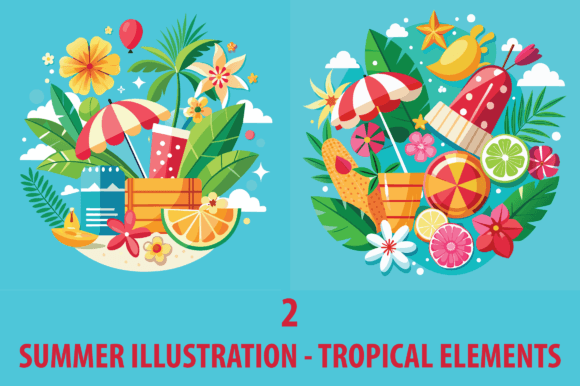
Summer Illustration - Tropical Elements in Creative Workflows
Summer illustration with tropical elements offers a vibrant and dynamic approach to visual storytelling, design, and content creation. Whether you're working on branding, marketing materials, digital art, or personal projects, incorporating tropical themes can add energy, warmth, and a sense of escapism. This article explores how summer illustration with tropical elements fits into real-world workflows and how it can be effectively used before, during, and after creative tasks.
Understanding Summer Illustration - Tropical Elements
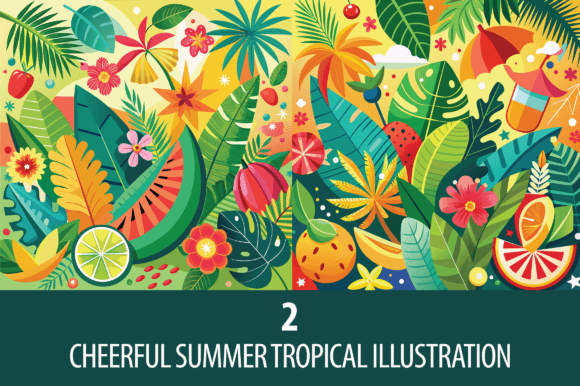
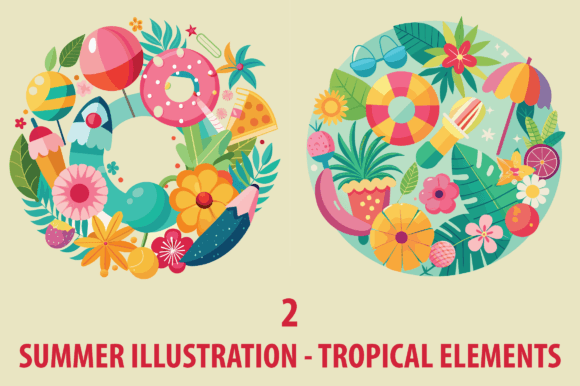
Summer illustration with tropical elements refers to the use of imagery and motifs associated with warm climates, such as palm trees, coconuts, beach scenes, sunsets, and exotic flora and fauna. These visuals are often characterized by bold colors, relaxed aesthetics, and a focus on natural beauty. They serve as a powerful tool for evoking emotions, setting moods, and enhancing the visual appeal of various projects.
This style is particularly effective in industries that rely on strong visual communication, such as advertising, social media content, product packaging, and editorial design. It also resonates well with audiences seeking a sense of leisure, adventure, or connection to nature.
Integrating Tropical Elements in the Planning Phase
Before diving into the actual creation process, it's essential to plan how tropical elements will fit into your project. Consider the purpose of your work and the message you want to convey. For instance, if you're designing a campaign for a summer vacation package, tropical illustrations can help reinforce the theme and attract the target audience.
During this phase, research existing examples of summer illustration with tropical elements to identify common patterns, color schemes, and stylistic choices. This can help ensure consistency and alignment with your brand or project goals. Additionally, define the scope of how these elements will be used—whether as background graphics, icons, or central focal points.
Workflow Example: Branding a Wellness Retreat
If you're creating a brand identity for a wellness retreat located in a tropical region, start by outlining the core values of the retreat, such as relaxation, health, and nature. Then, incorporate tropical elements like serene beach scenes, lush greenery, and calming color palettes to reflect these values. This ensures that every visual element supports the overall message and appeals to the intended audience.
Using Tropical Elements During Creation
Once the planning stage is complete, the next step is to apply tropical elements in the actual creation process. This can involve sketching, digital painting, or using design software to bring your vision to life. The key is to maintain a balance between creativity and practicality, ensuring that the elements enhance rather than overwhelm the composition.
When working digitally, consider using tools like Adobe Illustrator or Procreate to create scalable and editable tropical illustrations. These platforms allow for precise control over details, making it easier to adjust colors, shapes, and textures as needed. If you're working with physical media, experiment with watercolors, acrylics, or collage techniques to achieve a more organic feel.
Practical Tips for Effective Implementation
- Start with a strong foundation: Sketch out rough ideas before committing to final designs. This helps identify potential issues early on.
- Focus on color harmony: Use warm, saturated tones to evoke the feeling of a tropical summer. Complementary colors can add depth and visual interest.
- Pay attention to detail: Small elements like seashells, waves, or tropical flowers can significantly impact the overall aesthetic.
- Test different styles: Experiment with varying levels of abstraction or realism to find what best suits your project.
Applying Tropical Elements After Completion
After the initial creation, it's important to review and refine the use of tropical elements. This stage involves quality control, ensuring that all visuals align with the project's goals and maintain a consistent look and feel. It's also an opportunity to optimize the elements for different platforms or formats, such as social media, print, or web applications.
Consider how your tropical illustrations will perform across various devices and screen sizes. High-resolution images may be necessary for print, while optimized versions might be required for online use. Additionally, check for any inconsistencies in color, line weight, or composition that could affect the overall impact.
Example: Social Media Content Strategy
If you're developing a social media content strategy for a travel blog, use tropical illustrations to create engaging posts that highlight destinations. Ensure that the visuals are consistent with your brand’s voice and that they resonate with your audience. Regularly update your content to keep the feed fresh and visually appealing.
Interactions with Other Tools and Methods
Summer illustration with tropical elements often works in conjunction with other design tools and methods. For example, vector graphics can be paired with photo editing software to create layered compositions that combine hand-drawn elements with real-world imagery. This hybrid approach allows for greater flexibility and adaptability in different contexts.
Collaboration with other creatives, such as photographers, writers, or copywriters, can also enhance the effectiveness of tropical illustrations. By combining visual elements with compelling narratives, you can create a more immersive and engaging experience for your audience.
Long-Term Use and Consistency
To maximize the value of summer illustration with tropical elements, consider how they can be reused or adapted for future projects. A well-organized library of assets can save time and effort, especially when working on recurring campaigns or seasonal content. Consistency in style and execution is key to building a recognizable visual identity.
Additionally, stay updated on design trends and evolving preferences. While tropical elements remain popular, their presentation may shift over time. Being open to adaptation ensures that your work remains relevant and impactful.
Conclusion
Summer illustration with tropical elements offers a versatile and expressive way to enhance creative workflows. From initial planning to final implementation, these visuals can add depth, emotion, and a sense of place to a wide range of projects. By understanding how to integrate them effectively, you can elevate your work and connect more deeply with your audience.