Shabby White Rose Digital Papers: A Designer’s Guide to Vintage-Inspired Texture and Charm
When you’re building a digital project, the background or texture you choose can make or break the mood. That’s where Shabby White Rose Digital Papers come into play. These are not just pretty patterns — they are versatile design assets that bring a worn, romantic, and handcrafted feel to any screen or print piece. Whether you’re a seasoned graphic designer, a DIY crafter, or someone building a small business brand, understanding what these papers offer and how to use them effectively can elevate your work in unexpected ways.
What Exactly Are Shabby White Rose Digital Papers?
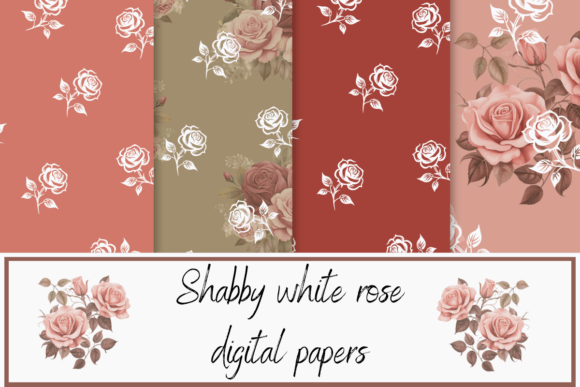
At their core, these are high-resolution digital files — typically JPEG or PNG — that feature photographic or illustrated rose motifs set against a shabby white background. The “shabby” element refers to a deliberately distressed, aged, or textured finish. Think faded petals, subtle stains, gentle grain, and soft off-white tones instead of stark, clean white. The roses themselves often appear vintage-inspired, with muted pinks, creams, blush tones, and occasional hints of sage or ivory green for leaves and stems.
These papers are commonly sold as digital scrapbooking kits, but their use extends far beyond scrapbooking. Because they are digital, you can download, resize, tile, and layer them endlessly without worrying about physical stock running out. Designers appreciate Shabby White Rose Digital Papers for their ability to add depth and emotion without overwhelming a composition. The shabby white backdrop serves as a gentle canvas, making the floral elements pop while keeping the overall look soft and airy.
The Qualities That Set Shabby White Rose Digital Papers Apart
Not all digital papers with roses are created equal. What makes the shabby white rose variety distinct is a combination of visual texture, color palette restraint, and historical resonance.
Distressed and Vintage Textures
The “shabby” aspect is key. These papers often incorporate scanned imperfections: light water stains, paper grain, frayed edges, or subtle crackle effects. This gives them an authentic antique feel that clean vector patterns simply cannot replicate. For projects that need a sense of nostalgia or handmade warmth, this texture is invaluable. You can use a single sheet as a full background and instantly transport your viewer to a cozy cottage or a Victorian parlor.
Restrained, Romantic Color Palettes
Unlike bright, saturated floral patterns, shabby white rose papers lean into muted, faded tones. The whites are creamy or slightly grayed. The pinks are dusty and soft. Greens are subdued. This restraint makes them incredibly easy to pair with other elements — text, photographs, and embellishments — without color clash. When you layer a bold headline over a Shabby White Rose Digital Paper, it remains legible because the background does not compete for attention.
Versatile Scale and Repetition
Some papers feature large, single roses that act as a focal point. Others offer seamless repeating patterns with small blossoms scattered across the canvas. This range allows you to choose the right density for your project. A single large rose paper might work beautifully for a greeting card front, while a subtle repeat pattern could serve as a website background or a page border.
Where Shabby White Rose Digital Papers Shine in Modern Workflows
It is tempting to think of these papers as only for scrapbooking, but their application in professional and commercial projects is broad and growing. Here are several scenarios where they add real value.
Branding and Packaging for Small Businesses
Artisan brands — think handmade soap sellers, wedding stationers, boutique bakeries, and vintage clothing shops — often need a visual identity that feels personal and crafted. Using Shabby White Rose Digital Papers in your brand collateral can communicate gentleness, quality, and timelessness. They work well as wrapping paper mockups, product labels, or social media backgrounds. A tea company might use a shabby rose paper as a backdrop for product photography, creating a consistent, cozy aesthetic across their online store.
Wedding and Event Stationery
Weddings are one of the most natural homes for these papers. Save-the-date cards, invitation suites, programs, and thank-you notes all benefit from a romantic, tactile feel. Many couples are drawn to rustic or vintage themes, and Shabby White Rose Digital Papers deliver that without requiring expensive letterpress or antique paper. You can design an entire suite in Canva or Adobe Photoshop, using the same paper across multiple pieces for cohesion. The distressed quality even helps hide minor printing imperfections, a practical bonus for DIY printers.
Digital Scrapbooking and Memory Keeping
This is the traditional use, but modern digital scrapbooking has evolved. Planners, journal makers, and memory keepers use these papers in apps like GoodNotes or Procreate. A shabby white rose paper can form the background of a weekly layout, a mood tracker page, or a photo mat. Because they are digital, you can clone and adjust them without running out of adhesive. The romantic aesthetic pairs beautifully with handwritten fonts and vintage ephemera like postage stamps or ticket stubs.
Website and Blog Design Elements
Web designers sometimes need subtle texture to soften a modern layout. A carefully placed Shabby White Rose Digital Paper can serve as a hero section background, a footer divider, or a hover state for buttons. The key is restraint — using it as an accent rather than a full-page wallpaper. For lifestyle bloggers or wedding photographers, these papers align perfectly with a feminine, airy brand voice. They also work well behind text in quote cards or promotional banners, as long as you adjust contrast and add a text shadow for readability.
Print-on-Demand Products
If you sell on platforms like Etsy, Redbubble, or Creative Market, these papers are a goldmine. You can use them to create printable wall art, greeting cards, notebook covers, phone cases, or fabric patterns. The shabby white rose aesthetic consistently appeals to buyers looking for vintage, rustic, or cottagecore designs. Because you are using digital papers, you can test multiple variations without manufacturing risk. A single paper design can inspire an entire product line.
Practical Considerations When Choosing Shabby White Rose Digital Papers
Before you add a set to your design library, think about a few factors that affect usability and final quality.
Resolution and File Size
High-resolution papers — at least 300 DPI — are essential if you plan to print. Lower resolutions lead to pixelation, especially on large items like posters or signage. Check the dimensions before purchasing. Many sellers offer 12×12 inch files at 300 DPI, which gives you flexibility for most projects. If you are designing for web only, smaller files load faster, but you can always resize down from a high-res original.
Licensing and Commercial Use
Not all digital papers come with the same usage rights. Some are for personal use only. Others allow small-scale commercial use, such as selling cards on Etsy. A few offer extended licenses for mass production or digital resale. Always read the license terms carefully, especially if you plan to sell products that incorporate Shabby White Rose Digital Papers. Respecting copyright protects both you and the creator.
Consistency Across a Collection
If you are building a cohesive brand or product line, you will want a matching set of papers. Look for kits that offer multiple variations with the same roses but different backgrounds — some with heavy shading, others with light. This gives you visual variety while maintaining a unified look. Some designers also appreciate papers that come with coordinating elements like frames, tags, or word art.
File Format and Layering
Most digital papers are JPEG files, which are great for backgrounds but have a solid white base. If you want to overlay a paper onto a colored background or use it as a texture layer, consider formats that support transparency, such as PNG. Some creators offer layered PSD files for Photoshop users, giving you control over opacity, blending modes, and color adjustments. This can be especially useful when you want to tint the roses to match a specific palette.
Common Questions Before Adopting Shabby White Rose Digital Papers
Many designers and crafters hesitate because they worry about overusing a trend or struggling to match the aesthetic with modern layouts. These concerns are valid but manageable.
Will these papers look dated quickly? The shabby chic style has shown remarkable staying power, partly because it taps into a timeless appreciation for vintage and handmade things. While trends shift, the romantic, soft appeal of roses on a textured white background remains a staple for weddings, femininity, and nostalgia. If you use them thoughtfully — as accents rather than the sole design element — they stay fresh.
How do I prevent my project from looking too busy? The key is balance. If the paper is heavily textured or has large roses, pair it with clean, simple typography and minimal additional graphics. Allow the paper to breathe as a background. For repeating patterns, reduce the pattern scale or use the paper in a smaller area, such as a card interior or a banner strip. Negative space is your friend.
Can I use them for professional client projects? Absolutely, as long as you have the appropriate license. Many wedding planners, invitation designers, and brand agencies use premium digital papers in client deliverables. The shabby white rose aesthetic, in particular, appeals to clients who want a classic, romantic, or garden-inspired look. Just ensure the quality matches professional standards — no pixel edges or compression artifacts.
Final Observations on Working with Shabby White Rose Digital Papers
What makes Shabby White Rose Digital Papers so enduring is their ability to bridge the analog and digital worlds. They bring the warmth of aged paper and the delicacy of fresh flowers into a format that can be scaled, shared, and adapted without limit. For the designer, they offer a shortcut to a specific mood — nostalgic, gentle, and crafted — without needing to source rare materials or learn complex illustration techniques.
Whether you are designing a wedding invitation that feels like a heirloom, building a brand identity for a lavender farm, or simply decorating your digital planner with floral elegance, these papers provide a foundation that is both beautiful and practical. Start with a set that speaks to you, experiment with layering and opacity, and let the shabby white roses do what they do best: invite warmth and memory into your work.