Pencil Sketch Magical Flowers
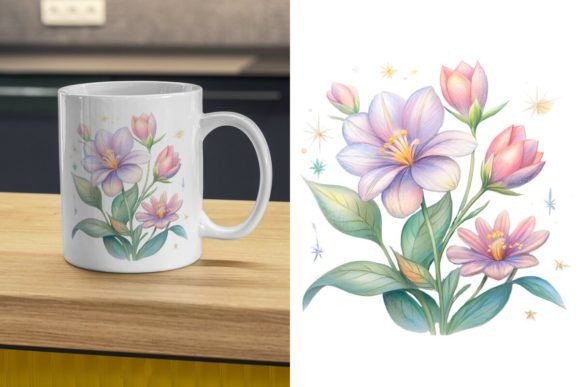
There is something quietly captivating about a flower rendered in pencil. The soft graphite lines, the delicate shading, and the subtle interplay of light and shadow can transform a simple bloom into something almost magical. Pencil sketch magical flowers take this concept a step further—they blend the realism of botanical drawing with imaginative, whimsical elements that feel like they belong in a fairy tale or a dream. Whether you are an artist, a designer, a marketer, or someone who simply enjoys creative expression, this approach offers a versatile and rewarding way to explore visual storytelling.
What Makes a Pencil Sketch Magical?
At its core, pencil sketch magical flowers combine traditional drawing techniques with a touch of fantasy. Instead of replicating a flower exactly as it appears in nature, you introduce unexpected details: glowing petals, spiraling vines, tiny winged creatures nestled among the leaves, or soft halos of light created through careful erasing. The monochrome palette of pencil forces you to rely on value contrast, texture, and composition to create the illusion of magic. This constraint often leads to more thoughtful, deliberate artwork. The result is both grounded in reality and elevated by imagination—a balance that appeals to viewers who appreciate skill and creativity in equal measure.
What makes it especially interesting is how accessible the medium is. A graphite pencil, an eraser, and paper are all you need to start. Yet the range of effects you can achieve is vast: from hyper-realistic petals to ethereal, dreamlike scenes. The magic comes from your ability to suggest something beyond the visible—whether that is a soft glow, a sense of motion, or an emotional mood. For creators, this opens up countless possibilities for experimentation without requiring expensive supplies or complex digital tools.
Realism Meets Fantasy
One popular direction is to begin with a realistically sketched flower—accurate in proportion, petal structure, and shading—and then add fantastical elements. For example, you might draw a detailed rose and then surround it with floating dust motes or tiny stars. The contrast between the familiar and the extraordinary creates a compelling visual tension. This approach works well for portfolio pieces, book illustrations, or even tattoo designs, where the natural form grounds the fantasy in something believable.
Minimalist Line Art
Not every magical sketch needs heavy shading. Minimalist line drawings can be equally enchanting. By using clean, flowing lines and subtle variations in thickness, you can suggest delicate petals, curling tendrils, and hidden symbolism. Adding small open spaces—like a petal that fades into a few scattered dots—invites the viewer to fill in the story. This style is especially effective for social media graphics, pattern designs, and printed stationery where simplicity keeps the image versatile.
Whimsical Illustrations
If your goal is to tell a story, whimsical illustrations offer the most room for creativity. Combine multiple flowers, leaves, and imaginary creatures into a single composition. Let the stems twist into spirals, and let the petals morph into abstract shapes. You can incorporate elements like small houses, ladders, or hidden faces within the foliage. This style resonates with audiences looking for artwork that feels playful and personal. It is ideal for children’s book projects, editorial illustrations, or even custom gifts.
Practical Applications for Different Audiences
The beauty of pencil sketch magical flowers lies in how adaptable the concept is across various fields and goals. Different users can take it in completely different directions while still drawing from the same core idea.
For artists and designers, these sketches can serve as a foundation for larger series. You might create a set of flower illustrations that share a consistent magical theme—perhaps each flower corresponds to a different mood or season. These can be compiled into a zine, a collection of prints, or even a set of digital assets for commercial use. The pencil texture also scans well, making it easy to digitize and repurpose for branding, packaging, or textile patterns.
For marketers and bloggers, pencil sketch magical flowers offer a unique visual identity that stands out in a sea of bright, saturated photography. Use them as featured images for articles about creativity, growth, or nature. They can also be used in email newsletters, social media posts, or as part of a minimalist brand aesthetic. The hand-drawn quality conveys authenticity and thoughtfulness, which helps build a connection with your audience.
For educators and workshop leaders, the theme is a perfect entry point for teaching observational drawing combined with creative thinking. Students can start by sketching a real flower, then brainstorm ways to add a magical twist. This exercise develops both technical skills and imagination. It works equally well in a classroom, an online course, or a community art group. The results are often surprising and rewarding.
For hobbyists and freelancers, pencil sketch magical flowers can become a personal project that doubles as a portfolio builder. Set a goal to draw one magical flower per week, experimenting with different compositions and levels of detail. Over time, you will develop a unique style and a body of work that can be shared on platforms like Instagram, Behance, or Etsy. This steady practice also improves your pencil control and confidence.
Keeping Your Sketches Clear and Original
When working with magical themes, it is easy to get carried away and lose clarity. A sketch that tries to include too many elements can become confusing or muddy. To keep your work effective and organized, focus on a few key principles.
- Plan your light source. Magic often implies light. Decide where your light comes from and use it to guide your shading and highlight placement. This creates a coherent sense of atmosphere.
- Limit your magical elements. Choose one or two fantasy details per flower. A single glowing center or a few floating sparks often reads more powerfully than a dozen crowded effects.
- Use contrast wisely. Dark backgrounds can make light elements pop. Try shading the area behind the flower and leaving the petals white, or use an eraser to lift out highlights from a darker tone.
- Stick to a consistent line quality. If you are using fine lines for petals, keep them fine. If you use thicker strokes for stems, maintain that across the sketch. Consistency gives the drawing a professional, intentional look.
- Reference real anatomy first. Even if you plan to add magical twists, start with a real flower photograph or live specimen. Understanding the natural structure will make your fantasy versions feel more believable.
Originality comes from combining familiar shapes with unexpected details. Avoid copying a mystical flower you saw online. Instead, mix elements: a daisy with elongated petals, a tulip with a spiral core, a lily that seems to emit tiny constellations. When you work from your own imagination, the result is inherently unique.
Project Ideas to Try
If you are looking for concrete ways to apply pencil sketch magical flowers, here are a few project ideas that balance inspiration with practical execution.
- Create a botanical fantasy series. Draw ten different flowers, each with its own magical property. One might be a moonlit rose, another a star-tipped daisy. Display them together as a cohesive set.
- Design a repeating pattern. Sketch a single magical flower, then scan and repeat it digitally to create a seamless pattern for fabric, wallpaper, or wrapping paper. The pencil texture gives it a handmade feel.
- Illustrate a short story. Write a one-page narrative about a garden where flowers hold memory or power. Accompany the text with two or three pencil sketches that capture key moments.
- Make a coloring page. Outline a large magical flower with heavy, clear lines, leaving the interiors white. Add hidden details like tiny stars, insects, or abstract shapes. Share the line art for others to color.
- Create a set of social media templates. Sketch a modest magical flower, scan it, and place it in the corner of quote cards or inspirational posts. The consistent visual theme builds brand recognition.
Adapting Your Work for Different Platforms
Pencil sketches translate well to both digital and print media, but each platform requires a few adjustments. For social media, ensure your photo or scan has good contrast. Slight overexposure can wash out delicate graphite lines, so edit the image to deepen the shadows. For print, pay attention to paper choice. A warm off-white paper gives a vintage feel; a smooth bright white paper makes the sketch look crisp and modern.
If you are selling prints or products, offer both the original sketch and a digitized version. Many buyers appreciate the authenticity of a hand-drawn piece, while others prefer a clean digital file for easy framing. For websites or portfolios, present your magical flowers in a simple grid format. Let the artwork speak without distracting backgrounds. Label each piece with the flower name and the magical element you used—this adds context and helps viewers connect with your process.
As you explore pencil sketch magical flowers, remember that the goal is not perfection but expression. Each sketch is an opportunity to try something new, to refine your technique, and to share a small piece of wonder. Whether you are creating for yourself, for clients, or for a broader audience, the combination of pencil and imagination remains a timeless and accessible art form. Start with a simple flower, let your mind drift, and see where the graphite takes you.