Mandala Vector: A Practical Resource for Designers and Creators
Mandala vector graphics occupy a distinct space in digital design. They combine geometric precision with cultural symbolism, offering designers a versatile asset for branding, print, web, and decorative projects. But not all mandala vector sets deliver the same value. Understanding what distinguishes a well-crafted collection from a generic one can save time, improve workflow, and elevate the final output.
This article examines mandala vector resources with a focus on practical utility, structural quality, and real-world performance. The goal is to help you evaluate whether such assets fit your specific needs, audience, and creative process.
What Defines a High-Quality Mandala Vector Collection
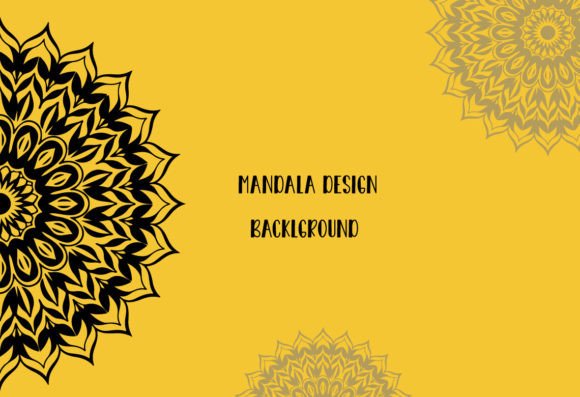
A mandala vector is more than a repeating pattern. It is a layered composition of concentric shapes, symmetrical elements, and often intricate detail. The best collections respect the underlying geometry while maintaining clean, editable paths.
Key characteristics that separate professional-grade mandala vectors from basic clip art include:
- Scalability without degradation. Vector formats such as SVG, EPS, and AI allow resizing to any dimension without loss of sharpness. This matters for applications ranging from small icons to large-format prints.
- Editable anchor points and curves. A well-constructed mandala vector uses minimal nodes and smooth Bezier curves. This makes customization faster and reduces file bloat.
- Logical layer structure. Groups and sublayers should be named clearly, enabling selective editing of individual rings, petals, or decorative motifs.
- Symmetry accuracy. Radial symmetry must be mathematically sound. Even slight misalignment becomes visible at larger scales.
When these attributes are present, the mandala vector becomes a functional tool rather than a decorative afterthought.
Practical Value in Design Workflows
For designers and creators, time is a finite resource. Starting a mandala from scratch requires significant effort in aligning repeating elements and maintaining proportional balance. A well-prepared mandala vector eliminates this groundwork, allowing you to focus on composition, color, and integration.
Common use cases where mandala vectors prove effective include:
- Brand identity elements. Mandalas can serve as central logos, watermark backgrounds, or subtle texture in brand collateral. Their symmetry conveys balance and professionalism.
- Print materials. Flyers, brochures, packaging, and stationery benefit from mandala motifs as borders, fill patterns, or accent graphics.
- Digital media. Social media templates, website headers, and email backgrounds gain visual depth without requiring heavy image files.
- Product design. Textiles, ceramics, wall art, and stationery products often incorporate mandala patterns. Vector files enable seamless scaling for different product sizes.
- Relaxation and wellness content. Coloring books, meditation guides, and mindfulness journals frequently use mandala outlines. Crisp vectors ensure clean print results.
In each scenario, the core value is the same: a ready-made geometric foundation that reduces repetitive work while maintaining high visual standards.
Evaluating Real-World Performance
Performance in a design context means more than visual appeal. It includes how the file behaves under editing, how it integrates with different software, and how consistently it renders across outputs.
Editing Experience
When you open a mandala vector in Adobe Illustrator, Inkscape, or Affinity Designer, the first test is how easily you can isolate one element. A well-structured file lets you click on a single petal, adjust its stroke weight, or change its fill color without disturbing adjacent shapes. This is especially important when adapting the mandala to match a brand color palette or when creating multiple variations from one base design.
Poorly constructed vectors often contain overlapping unclosed paths, excessive anchor points, or grouped elements that cannot be separated. These issues lead to frustration and wasted time. If you frequently customize assets, prioritize collections that advertise editable layers and clean geometry.
Cross-Platform Compatibility
Not every design tool handles vector files identically. A mandala vector saved in an older EPS format may lose transparency or gradient information when imported into a newer application. SVG files, while widely supported, can render differently across browsers in web contexts.
Reliable collections provide multiple format options—typically AI, EPS, SVG, and sometimes PDF or DXF. This flexibility ensures you can work in your preferred environment without conversion errors.
Output Consistency
Print projects require high-resolution output. A mandala vector that looks clean on screen may reveal jagged edges or thin strokes when printed at large sizes. Testing a sample before purchasing a full set is a sensible step. Look for files with stroke weights that remain visible at 300 DPI and that include both filled and outline versions when applicable.
Strengths That Stand Out
Several qualities elevate a mandala vector from acceptable to genuinely useful.
- Geometric precision. When every ring aligns perfectly, the mandala creates a hypnotic balance that draws the viewer in. This precision is difficult to achieve manually and is the primary reason to use a vector resource.
- Time efficiency. A library of 50 or more distinct mandala designs, each with multiple format options, can cover months of projects. The upfront investment pays for itself quickly if you produce regular content.
- Customization potential. With editable paths, you can combine elements from different mandalas, adjust rotation angles, or resize specific layers. This allows a unique result while still leveraging the original geometry.
- Consistent aesthetic. Curated collections maintain a cohesive style across all designs. This is useful when building a series of related materials—such as a set of posters or a brand kit—where visual harmony matters.
Who Benefits Most from Mandala Vector Resources
Not every creative professional needs mandala vectors. For those who do, the impact on workflow and output can be substantial.
Graphic designers and illustrators working on branding, packaging, or editorial projects often need decorative elements that look intentional rather than generic. A high-quality mandala vector can serve as a design anchor.
Web and UI designers may use simplified mandala patterns as background textures, loading animations, or interactive elements in apps and websites. Lightweight SVG files keep page load times low.
Small business owners and entrepreneurs who manage their own marketing materials benefit from ready-to-use assets that elevate visual communication without requiring advanced design skills.
Educators and content creators in art, geometry, or cultural studies can use mandala vectors for teaching materials, presentations, or video graphics. Clean vectors ensure clarity in educational contexts.
Hobbyists and crafters working on laser cutting, embroidery, or screen printing need precise outlines. Vector formats translate directly into production toolpaths.
Scenarios Where Mandala Vectors Excel
- A blogger creates a signature background for quote images. A simple mandala centered behind the text adds visual weight and brand recognition.
- A freelancer designs a brochure for a wellness retreat. A geometric mandala on the cover conveys calm and structure.
- A marketer produces a series of Instagram templates. Using the same mandala family across posts creates a cohesive feed aesthetic.
Limitations to Consider
No resource is universal. Mandala vectors come with constraints that may affect your decision.
Cultural sensitivity. Mandalas hold spiritual significance in Hindu, Buddhist, and indigenous traditions. Using them purely as decoration without awareness of their origin can appear disrespectful. Context matters. If your project involves cultural themes, research appropriate usage and attribution.
Overuse. Because mandala vectors are widely available, some designs recur across many products. A generic mandala may not differentiate your brand. Customization becomes essential to avoid appearing generic.
Complexity at scale. Highly detailed mandalas with hundreds of paths can slow down software, especially on older hardware. For web use, consider simplified versions or export as raster at the required size.
License restrictions. Free mandala vector sets often carry restrictive licenses that prohibit commercial use, redistribution, or modification. Paid collections typically offer broader rights, but always read the terms. Some marketplaces limit the number of end products or require attribution.
Practical Recommendations
If you decide to incorporate mandala vectors into your work, a systematic approach yields better results.
- Start with a curated set. Avoid downloading random individual files from multiple sources. A cohesive collection with consistent style and formatting streamlines your workflow.
- Test the file structure. Before committing to a large bundle, open one file in your primary design application. Check whether layers are named, paths are closed, and elements are grouped logically.
- Plan for customization. Choose collections that allow color changes, stroke adjustments, and element isolation. The ability to adapt the design to your specific project increases long-term value.
- Match the style to your brand. A delicate, floral mandala suits a spa brand but may look out of place on a technology blog. Evaluate whether the motifs align with your visual identity.
- Keep a backup of originals. After customizing a mandala vector, retain a copy of the unmodified file. This allows you to create future variations without starting over.
Long-Term Value and Sustainability
A well-built mandala vector library remains useful for years. As your skills grow, you may find new ways to apply existing assets—repurposing a print motif as an animation element, or adapting a detailed mandala into a simplified icon set. The initial investment in quality files pays dividends through reuse.
Conversely, low-quality vectors degrade your output and waste time. If a file requires extensive cleanup before it can be used, the supposed savings disappear. It is better to spend more on a smaller number of reliable sets than to accumulate large collections of poorly constructed files.
The digital design landscape continues to evolve, but the demand for geometric precision and editable artwork remains constant. Mandala vectors that meet high standards of construction, format support, and aesthetic versatility will hold their value regardless of trend cycles.
Final Observations
Mandala vectors are not a one-size-fits-all solution. They serve a specific need: delivering symmetrical, scalable, editable geometric art that saves time and enhances visual quality. When chosen carefully, they become a reliable component in a designer's toolkit.
Evaluate each collection on its technical merits—node count, layer naming, format variety, and license terms. Consider your workflow, the context of your project, and the cultural dimensions of the imagery. With these factors in mind, a mandala vector can be a practical, lasting asset rather than a decorative throwaway.