Horizontal Stripes Pack
You’ve probably scrolled past a dozen designs today that used horizontal stripes without even noticing. That subtle line pattern behind a hero banner, the repeating bands on a product label, or the tidy texture on a social media post. Stripes are everywhere, and a well-curated Horizontal Stripes Pack puts that versatility right at your fingertips. It’s a collection of line patterns—different thicknesses, spacings, colors, and opacities—ready to drop into your project. But the real value isn’t in the files themselves; it’s in what you can do with them.
When Horizontal Stripes Become Your Go-To Visual Tool
Horizontal stripes have a unique way of adding structure without screaming for attention. They create rhythm, guide the eye, and can make a flat surface feel dimensional. A single stripe pack often includes dozens of variations, so you’re never stuck with the same look twice. Let’s walk through some real scenarios where you’d reach for it.
Graphic Design: More Than Just a Background
In posters, flyers, or magazine layouts, a horizontal stripe pattern can act as a subtle backdrop that keeps text readable. I’ve seen designers use a faint stripe pack behind bold headlines—the lines break up the white space just enough to prevent visual monotony. For event promotions, you can stack two colors from the pack to create a custom gradient effect that feels both classic and current. The trick is to choose stripes that echo the content’s mood: thin, light lines for elegance; thick, bold bands for energy.
Another practical use is in logo design. While you wouldn’t make a logo entirely out of stripes, a horizontal pattern can serve as a secondary element—like a repeating line under the brand name or as part of a watermark. Many designers keep a stripe pack in their toolkit for those quick mockups where you need to show how a logo will sit on a patterned surface.
Web and UI Design: Structure Without Code
For website backgrounds, horizontal stripes offer a lightweight alternative to heavy images. They tile easily, load fast, and work responsively across screen sizes. A muted stripe pack can separate a hero section from content below without needing a hard border. I’ve seen landing pages for subscription boxes use cheerful, pastel stripes to imply motion and variety. On the UI side, progress bars, loading animations, and form sections sometimes borrow the stripe aesthetic to indicate flow or steps. The pack gives you pre-made assets so you don’t have to draw every line from scratch.
One observation: avoid using very fine stripes at small screen sizes—they can cause moiré patterns or look like flickering lines. A good stripe pack will offer a range of thicknesses, and for web use, thicker lines are safer for mobile.
Fashion and Product Design: Visual Mockups That Sell
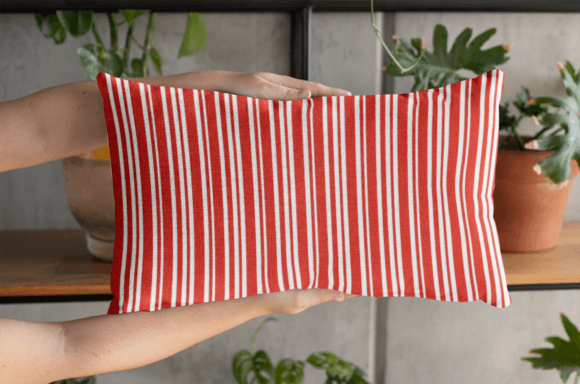
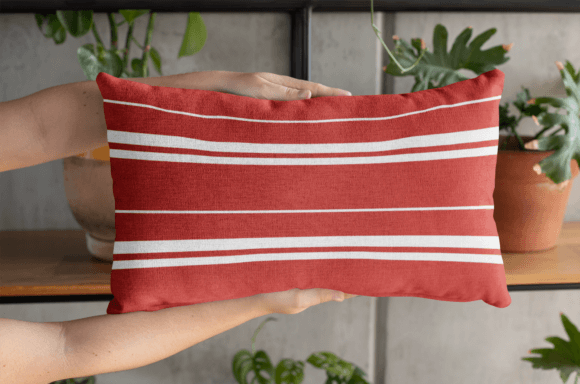
If you’re creating mockups for clothing, accessories, or home textiles, a Horizontal Stripes Pack is essential. Imagine designing a t-shirt line and needing to show a striped version on a product photo. Instead of manually painting each line, you overlay a pattern from the pack. Same for mugs, tote bags, or even wallpaper. The benefit here is speed, and the ability to test different stripe colors and densities before finalizing a print run.
In fashion branding, stripes convey timelessness. A low-contrast stripe pack (think navy on off-white) works for classic apparel, while neon stripes pop for streetwear. Even if you’re not a textile designer, these patterns are perfect for lookbooks, lookbook splashes, and e-commerce hero images. Just ensure the pack’s patterns are high-resolution for print-ready mockups.
Social Media and Content Creation: Consistent Visual Branding
Content creators often struggle with maintaining a consistent look across posts. A stripe pack can be a unifying element. Use the same striped background for quote graphics, schedule announcement posts, or product teasers. The pack usually includes transparent PNGs, so you can layer text or images over the pattern. A lifestyle blogger might use warm, beige stripes, while a tech reviewer could go for cool, gray ones. The key is to choose a stripe pack that aligns with your brand’s tone—playful, professional, or minimal.
A practical example: an Instagram story series with a horizontal stripe backdrop behind a simple message can become a recognizable style. Viewers start associating those lines with your content. Over time, that repetition builds brand recall without needing a full overhaul of your feed.
Who Actually Reaches for a Stripe Pack?
The audience for a Horizontal Stripes Pack is broader than you might think. It’s not just professional designers. Freelancers working on small projects appreciate not having to generate patterns manually. E-commerce sellers creating product listings often need quick, appealing backgrounds. DIY enthusiasts use them for invitations, party banners, and scrapbooking. Even photographers sometimes drop a stripe pattern onto a piece of furniture in a product shot to add texture. The common thread: they want a clean, repeatable visual element that works out of the box.
Industries that lean on stripe packs include hospitality (menu design, room brochures), packaging (gift wrap patterns, box liners), and education (early childhood materials often use big, friendly stripes). In corporate settings, horizontal stripes can be a safe alternative to overpowering patterns for internal presentations or training materials. The pack’s flexibility means you can scale and recolor the stripes to fit the context—but more on that in a moment.
Getting the Most Out of Your Horizontal Stripes
A stripe pack is only as good as how you use it. First, consider the contrast ratio. High-contrast stripes (black/white) demand attention—use them sparingly. Low-contrast stripes (similar shades) sit quietly and are better for full-bleed backgrounds. Second, think about scale. A stripe that looks great on a 24-inch monitor might look like a solid block on a phone screen. Most packs provide vector files (AI, EPS) so you can scale infinitely without quality loss. Third, test layering. A stripe pattern behind text needs enough contrast between the lines and the letters—sometimes you’ll need to add semitransparent overlays to make the text pop.
A common mistake is using the same stripe in every section. The pack likely includes multiple stripe variations—alternate between them to create visual hierarchy. For example, use a bold stripe for headers and a fine stripe for body sections. This keeps the design dynamic without introducing new elements.
Limitations to Keep in Mind
Horizontal stripes aren’t a universal cure. In serious or formal contexts (legal documents, medical reports), they can look frivolous. Also, very thin repeating lines can cause visual fatigue if the viewer spends a long time on the page. Stripes can also clash with other patterns—mixing stripes with florals or plaids requires careful color matching and scale control. Another consideration: cultural connotation. In some situations, horizontal stripes are associated with prison uniforms or caution tape, so think about your audience and message. For most brand and personal projects, this is rarely an issue, but it’s worth noting.
Technical limitations include licensing. Some free stripe packs restrict commercial use, so check before you use them on a product you plan to sell. And while most packs are seamless, a few may have visible repeating edges—always preview the tiling.
Real-World Application Ideas
Let me share a few examples from experience. A local coffee shop wanted a new menu board. We used a muted horizontal stripe pack in warm brown and cream tones as a background, then overlaid the menu items in a clean sans serif. The stripes added warmth without clutter. Another time, a children’s book cover needed a playful feel. We chose a bright stripe pack with alternating colors (yellow, green, blue) and placed the title inside a central panel. The stripes made the cover feel energetic, and the contrast kept the title readable. For an annual tech conference, a stripe pack in corporate blue and gray served as a repeatable pattern behind speaker slides—simple, professional, and easy to produce.
Etsy sellers are a huge audience for stripe packs. A soap maker used a striped overlay on product photos to create a consistent gallery look. A wedding invite designer used a delicate gold and white stripe pack for RSVP card backgrounds. The pack saved them hours of manual pattern creation.
When Stripes Support Your Message—and When They Don’t
Horizontal stripes work best when your content needs structure, rhythm, or a touch of nostalgia. They’re great for retro-themed projects, nautical designs, or minimalist layouts. But if your content already has heavy textures (photography with busy backgrounds, detailed illustrations), adding stripes can turn into visual noise. In those cases, use stripes as an accent (a thin line at the top or bottom) rather than a full background. Also, be mindful of readability—never let stripes compete with your primary message. A quick test: view your design at a distance or on a small screen. If the stripes overpower the text, dial down their opacity or increase their spacing.
Ultimately, a Horizontal Stripes Pack is a toolkit, not a template. Its strength lies in how you adapt it. The best designs feel like the stripe was made for that project, not just dropped in from a collection. With a little experimentation, you can make a simple line pattern feel custom, intentional, and surprisingly fresh.