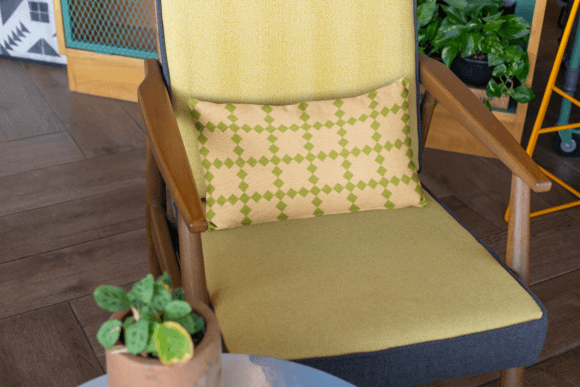
Dotted Vintage Squares Pattern
Patterns have a way of anchoring a design in a specific mood, and few combinations feel as deliberately crafted as the Dotted Vintage Squares Pattern. At its core, this design merges two familiar elements: the structured geometry of a square grid and the soft, tactile quality of dotted textures. The “vintage” layer adds warmth, often through muted earth tones, slight fading, or paper-like backgrounds. The result is a pattern that feels both orderly and lived-in, making it a versatile tool for anyone who needs visual depth without overwhelming the viewer.
What makes this pattern genuinely interesting is its ability to balance nostalgia with functionality. Unlike purely modern geometric patterns that can feel cold or overly precise, the dotted squares introduce a handmade, imperfect quality. The dots break up the visual field into smaller, digestible points of interest, while the squares provide a reliable structure. This combination works well across media—digital, print, physical products—and it adapts easily to different color palettes and scales.
Why the Dotted Vintage Squares Pattern Stands Out
Designers and marketers often search for patterns that are recognizable yet not distracting. The Dotted Vintage Squares Pattern checks both boxes. The squares give a sense of order and can be used to organize information or frame content. The dots add a subtle rhythm that draws the eye without competing with text or imagery. The vintage aspect taps into a broader cultural appreciation for retro aesthetics, from mid-century modern design to 1970s textiles, but it does so in a way that feels refined rather than costume-like.
For creators, this pattern offers a built-in storytelling element. A background using dotted vintage squares immediately suggests history, craftsmanship, or a gentle nod to analog processes. It can evoke the look of graph paper from an old notebook, a woven textile, or a tiled floor from a bygone era. This emotional resonance is especially valuable for brands or projects that want to communicate trust, comfort, or authenticity without saying a word.
Branding and Packaging
A small batch coffee roaster might use the Dotted Vintage Squares Pattern on its bags and labels. The dotted squares mimic the texture of burlap or linen, while the grid structure reinforces a sense of precision—perfect for a brand that values both craft and consistency. By muting the palette to sepia or faded mustard, the pattern feels warm and approachable. A tech startup aiming for a retro-credible look could use a tighter, more faded version on their website background, overlaying clean sans-serif typography for contrast.
Digital Content and Social Media
Bloggers and social media managers often need quick, repeatable backgrounds for quotes, announcements, or featured images. The Dotted Vintage Squares Pattern works well as a full-screen backdrop in Instagram stories or as a framed element in Pinterest pins. Because the pattern is structured but not loud, it supports layered text, icons, and photos. Try using a low-opacity version behind white or black text—the dots keep the eye moving, but the squares provide a grid that helps align elements naturally.
Print and Stationery
For educators and hobbyists, the pattern can be applied to worksheets, planners, or craft templates. The squares double as a subtle guide for writing or drawing, while the dots add a decorative touch. A vintage-scrapbook look emerges when the pattern is printed on kraft paper or cardstock with uneven edges. Entrepreneurs creating printable planners can offer a Dotted Vintage Squares Pattern option for users who want structure with personality.
Exploring Variations and Custom Approaches
One reason this pattern remains fresh is how easily it bends to different creative directions. Consider these variations:
- Color shifts: Swap the vintage browns and creams for dusty teal and salmon, or go monochrome with grey and off-white. The pattern adapts to both warm and cool palettes.
- Dot density: Increase the spacing between dots to create a lighter, airier feel. Decrease it for a denser, almost pointillist texture. The square boundaries can remain the same, but the interior rhythm changes completely.
- Scale adjustments: Enlarge the squares for a bold, architectural look. Shrink them so the pattern becomes a fine texture in the background. At small scale, the squares read as a subtle grid, and the dots fade into a soft stipple.
- Overlay effects: Apply a vignette, grain texture, or slight blur over the pattern to enhance the vintage feel. Combining with a paper texture overlay can create a convincing analog aesthetic for digital-only projects.
- Mixed media: Use the pattern as a base and layer hand-drawn elements, watercolor washes, or collage pieces on top. The structure of the squares gives you anchor points, while the dots add visual interest behind the chaos.
Each variation changes the audience perception. A bright, large-scale version might appeal to a children’s brand, while a faded, small-scale version suits a law firm’s quarterly report. The key is to test the pattern at different sizes and opacities against your core content.
Keeping Results Clear, Organized, and Audience-Friendly
Using a pattern effectively requires more than picking a pretty texture. To maintain clarity:
- Check contrast. The Dotted Vintage Squares Pattern should never compete with primary content. If you place text directly over the pattern, ensure sufficient contrast between the text color and the dominant shade of the squares. Darker dots on a light background usually work well, but check for readability at multiple screen sizes.
- Limit complexity. If the pattern itself is highly detailed (many dots, closely spaced squares), pair it with minimal typography and simple shapes. Let the pattern be the star in one area—maybe a hero image or a divider—and keep other areas clean.
- Maintain consistency. When using the pattern across a brand kit, define a specific color palette and scale. A pattern that looks one way on a business card and completely different on a mailing envelope can confuse the audience. Document the exact hex codes, dot size, and square dimensions.
- Consider the platform. A pattern that looks charming on a high-resolution monitor might become muddy on a phone screen or when printed at small sizes. Always preview your design at the intended output size and resolution. For screen use, export the pattern as a vector SVG or a high-resolution PNG with transparency.
- Audience alignment. A pattern that feels nostalgic to a 40-year-old might feel dated to a 25-year-old. Know your demographic. If you target young creatives, consider using brighter, more saturated colors while keeping the dotted square structure. If you target a professional or academic audience, lean toward muted, neutral tones.
Adapting the Pattern for Different Goals and Contexts
Hobbyists can use the Dotted Vintage Squares Pattern as a starting point for digital scrapbooking or card making. Simply download a seamless tile, import it into your preferred software, and adjust the layer blend mode to “Multiply” or “Overlay” for a subtle effect. Freelancers and educators can create branded templates for lesson plans, certificates, or social media updates—the pattern suggests care and attention without demanding too much attention itself.
For publishers and marketers, the pattern can serve as a unifying visual thread across a campaign. Imagine a series of email headers, landing page backgrounds, and print brochures all using the same dotted squares in slightly different colors. The repetition builds brand recognition, while the vintage touch adds a layer of sophistication. Even a simple use—like a dotted square border around a call-to-action button—can feel intentional and grounded.
When brainstorming projects, think about the feeling you want the audience to have. The Dotted Vintage Squares Pattern works best when you want to communicate reliability, warmth, or quiet creativity. It is not a pattern for high-energy, ultra-modern campaigns, but it excels in contexts that value texture, history, and human touch.
Ultimately, the power of this pattern lies in its adaptability. You can scale it, recolor it, layer it, and distort it without losing its core identity. Whether you are a designer building a brand from scratch, a blogger decorating a post, or an entrepreneur packaging a product, the Dotted Vintage Squares Pattern offers a foundation that is both visually satisfying and genuinely useful.